


 Français
 Deutsch
 Español
For businesses
Van and specialist vehicle delivery
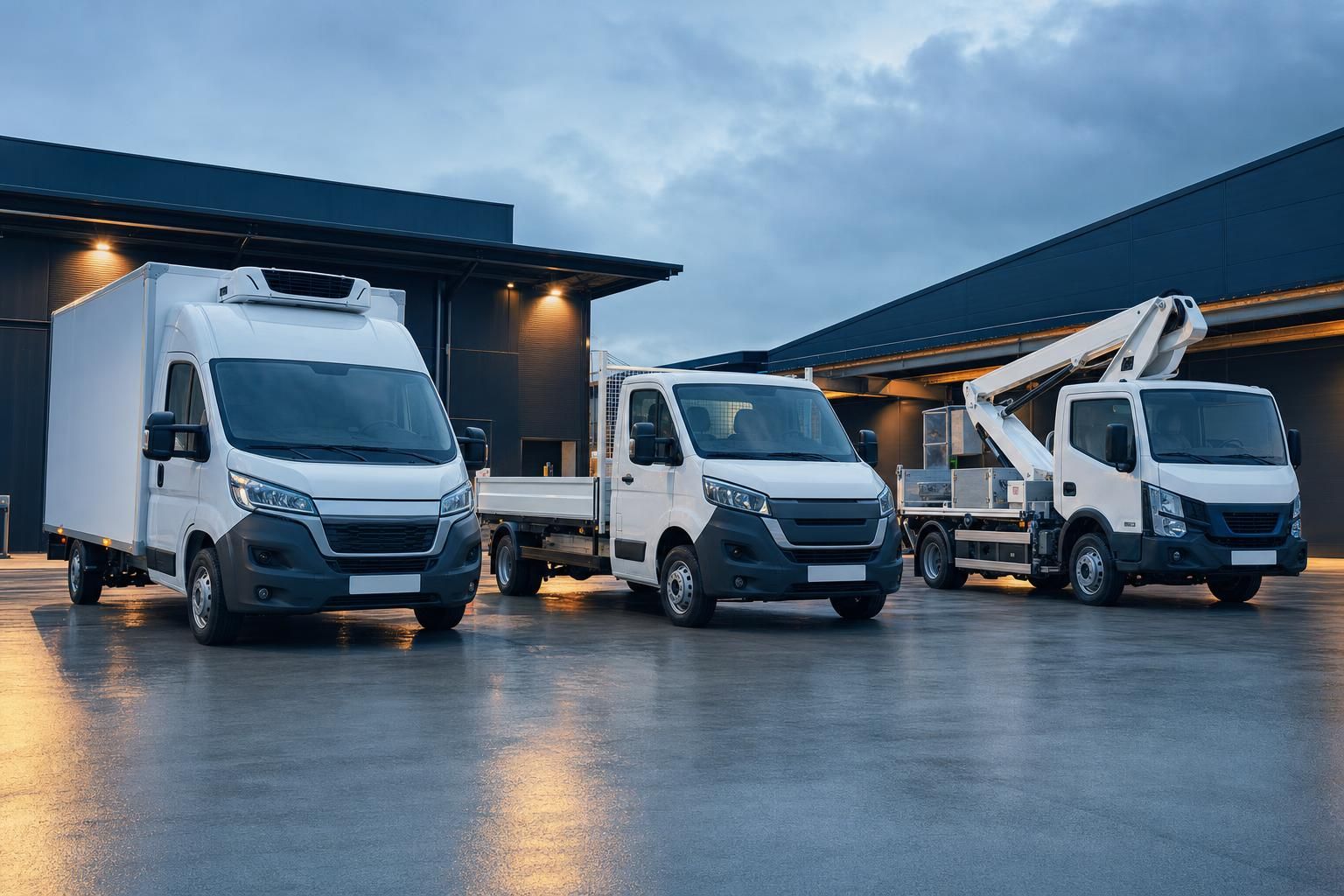
The aerial platform must be on site on Monday, the ambulance has just been serviced and the refrigerated van is due to be returned: your vans change address without taking your teams off the job. We drive them empty and roadworthy to the site you choose.
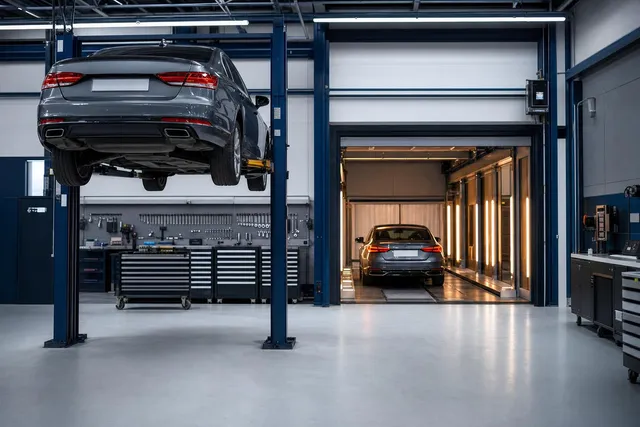
Illustrative photo
When your work vehicle has to change address
A construction company opens a site in Évreux, 96 km from Paris, and is waiting for its two tipper vans. A healthcare establishment collects an ambulance after its visit to the workshop. A funeral director takes delivery of a funeral vehicle bought in another region. An aerial platform rental company takes back a vehicle at the end of a contract. Each move takes an employee away from their job for half a day, often more with the return journey.
We drive these vehicles from one site to another, with a digital condition report at departure and on arrival and a signed delivery note. During the journey, you are kept informed by phone or WhatsApp. These deliveries are carried out subject to feasibility, the applicable licences and insurance.
Panel vans, pick-ups and 4x4s under 3.5 t
A B licence is enough as long as the vehicle’s maximum authorised mass (MAM) does not exceed 3.5 t. Within this limit, we deliver:
- small vans, panel vans and chassis cabs;
- pick-ups and 4x4s, with your instructions on the transmission and driving modes;
- electric vans, with charging stops planned in the route;
- vans fitted out as mobile workshops, once the tools have been removed;
- company vehicles of all makes, new or used.
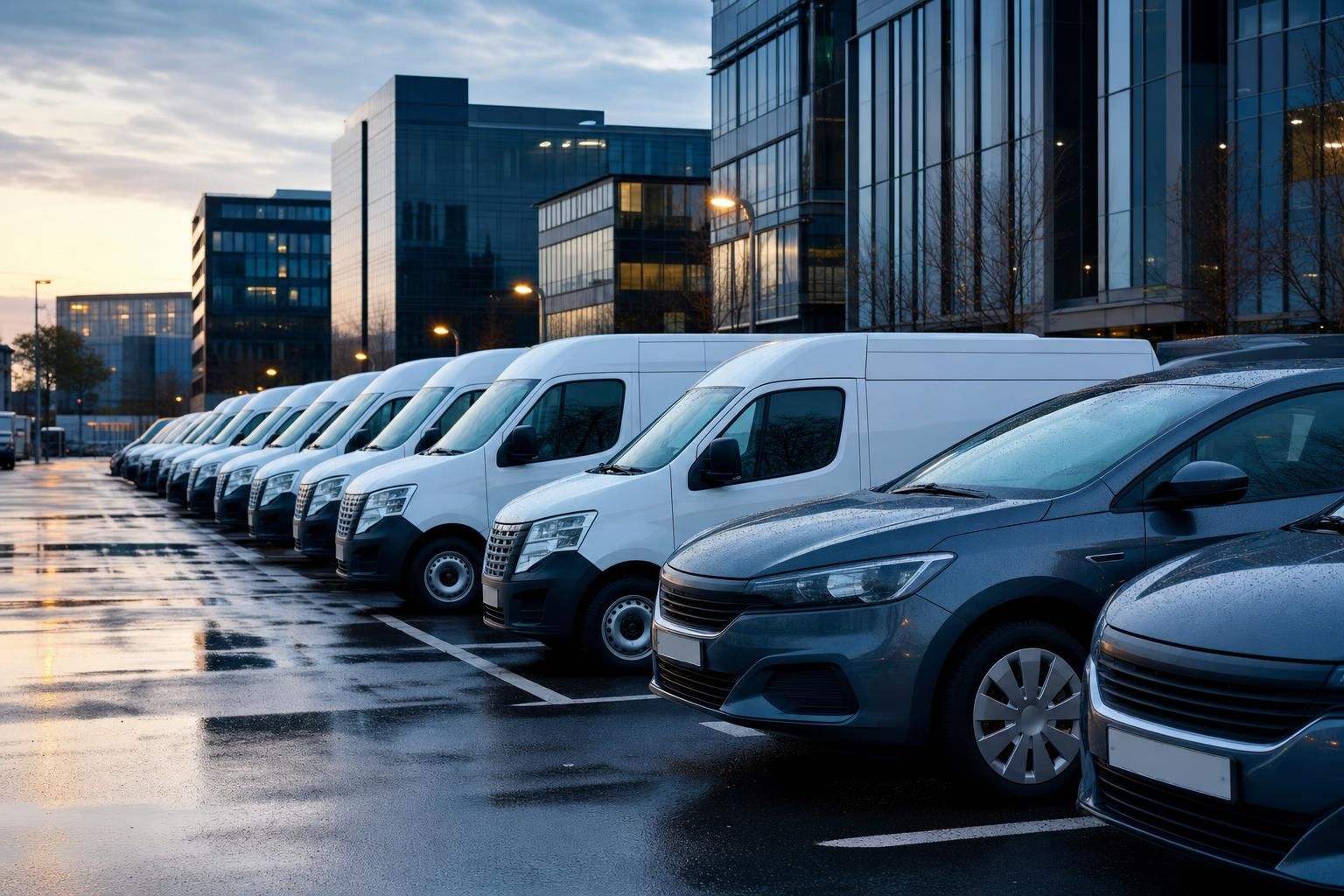
For a series of identical vans, each vehicle has its own condition report, linked to its registration number: reconciliation with your fleet register is done without any confusion.
A worksite 4x4 or pick-up is delivered like a van: on the road, roadworthy, with an empty load bed or tipper. For an electric van, give its real-world range: charging stops are placed in the route before departure and included in the quote.
Who entrusts us with their vans
Specialist vehicles belong to very different trades, each with its own constraints:
- building and civil engineering companies: tipper vans, flatbeds and aerial platforms to take to a worksite or bring back to the depot;
- healthcare establishments: ambulances and service vehicles between two sites or to the workshop;
- local authorities and public administrations: technical vehicles of municipal services, maintenance aerial platforms;
- funeral directors: funeral vehicles, new, used or leaving the workshop;
- logistics and distribution: refrigerated vans between branches or to the rental company;
- tradespeople and SMEs: a workshop van to drop off at the body shop while the team keeps working.
In each case, a single point of contact follows the file, from the quote to the signed delivery note.
What each specialist vehicle needs before departure
Each type of equipment is prepared in its own way. Here is what we check with you before setting off:
| Vehicle | Preparation expected at departure |
|---|---|
| Refrigerated | box body empty and clean, refrigeration unit set according to your instructions |
| Medical (ambulance, VSL patient transport car) | rear compartment empty, no patient, medical equipment secured or removed |
| Funeral | no deceased, compartment empty |
| Tipper | tipper body empty, lowered and locked |
| Flatbed | flatbed empty, straps and dropsides stowed |
| Aerial platform | boom folded and locked, basket empty, outriggers raised |
The driver drives the vehicle: the equipment travels in road position, as you prepared it. Its position and condition are photographed on the departure condition report, then checked on arrival.
The condition report for a van goes beyond the bodywork: inside of the box body or rear compartment, floor, side walls, fixed equipment, the equipment’s hour meter if it has one, keys for the box body and padlocks, fuel card if you entrust it to us. These records serve as a reference in the event of a dispute with a rental company or a user.
Always empty, always roadworthy
Delivery moves the vehicle alone: no goods, no equipment, no people on board. A medical or funeral vehicle carries only its fixed equipment, and travels with the discretion its purpose calls for. The vehicle must also be able to travel under its own power: French roadworthiness test (contrôle technique) up to date, tyres and lights in good condition, no warning light that prohibits driving.
If a defect appears at departure, it is photographed and reported before setting off, and you decide with us what happens next.
Above 3.5 t, the HGV licence
Many tippers, aerial platforms and refrigerated vehicles exceed 3.5 t. The MAM is shown in field F.2 of the vehicle registration certificate (carte grise). Above this threshold, driving requires a C1 licence up to 7.5 t, then a C licence: these vehicles go through our HGV delivery service, handled by a delivery driver who holds these licences. If in doubt, send us a photo of the registration certificate with your request: we check the category before preparing the quote.
Fleet rotations, lease returns and decal removal
For a fleet manager, van delivery is often part of a wider operation:
- delivering new vehicles to teams and collecting the old ones;
- vehicle return at the end of a long-term lease (LLD) or lease with purchase option (LOA), with a condition report to present to the leasing company;
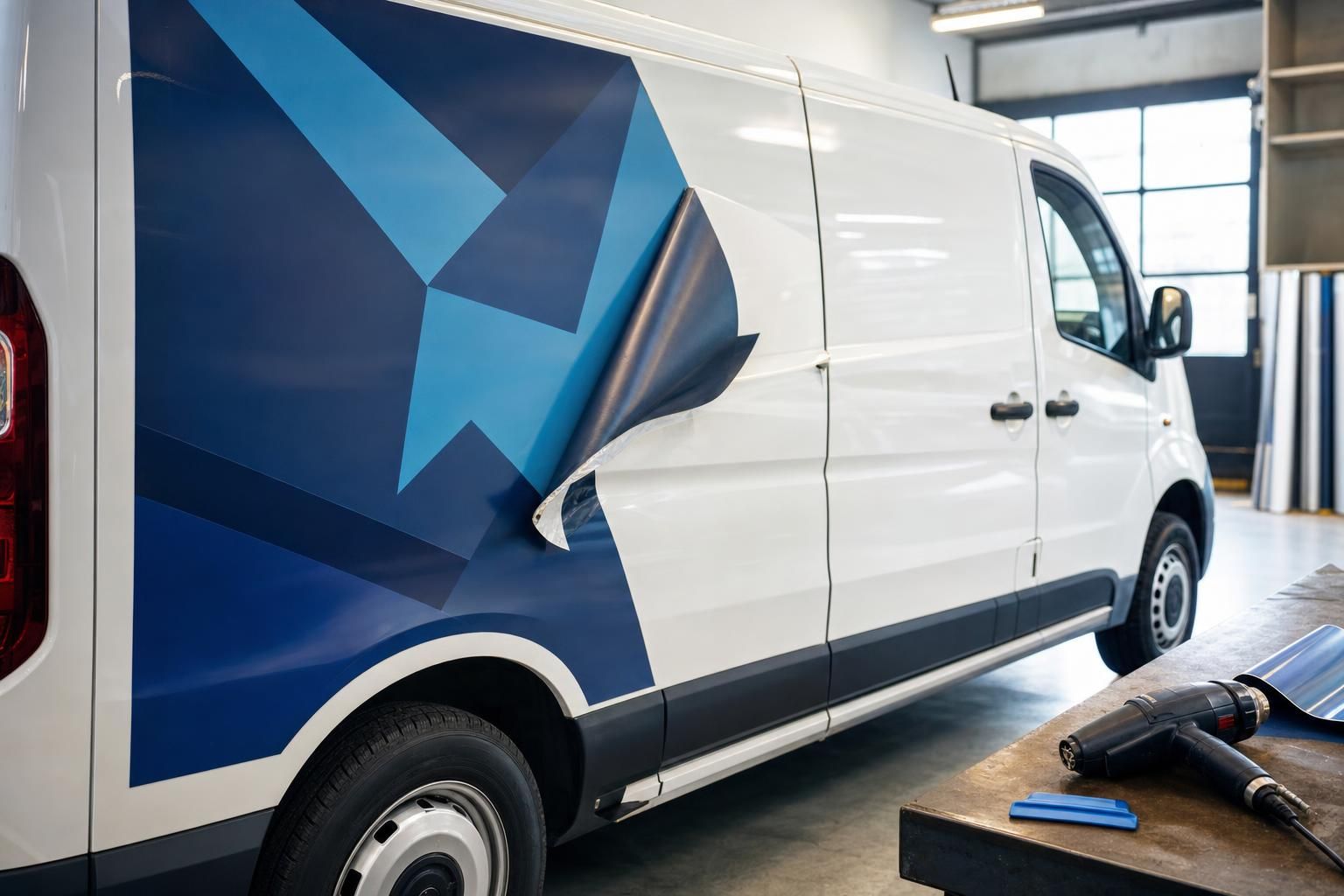
- removing logos and lettering before a return or a resale, with vehicle decal removal;
- rotating vehicles between branches or between worksites.
Before a lease return, the delivery can be combined with decal removal, a wash or a workshop visit, carried out directly or with partners depending on the service. You only manage one file for the whole operation.
The page fleet management presents all the operations we handle for a fleet.
What to include in your request
To prepare the quote, please specify:
- the type of vehicle, its equipment and its MAM;
- its height, with the equipment folded, if it exceeds that of a standard panel van;
- the addresses, the access hours of the sites and the contacts on site;
- the instructions specific to the equipment (refrigeration unit, transmission, locking);
- the number of vehicles and the preferred schedule;
- the reason: delivery, lease return, workshop, transfer between sites.
The collection day is agreed with you in the quote, depending on the vehicle, the licence required and our availability. A vehicle to move quickly? Call us to see what can be done.
Our guide to vehicle condition reports shows what is recorded at departure and on delivery.
Method and traceability
How is your job carried out?
The request
You choose your need and describe the vehicle, the journey or the site, online or by phone. Your request is given a reference.
The quote
We assess the request and send you a proposal stating the amount and the applicable terms, before any confirmation.
The pick-up
The driver arrives at the agreed time and carries out the LudExpress EDL condition report: required photos, mileage, fuel or charge level, keys and documents, signature of the person handing over the vehicle.
The delivery
On arrival, the same process compares the vehicle with its condition at departure. The recipient signs, and you receive the PDF report for the job.
880+
Vehicles delivered since August 2024
- Time given back to your teamsYour employees stay at their posts: our drivers move, deliver and return the vehicles.
- Documented handoversLudExpress EDL condition report at departure and on arrival, signed, with one PDF report per job. See the EDL
- A single point of contactFrom quote to delivery, reachable by phone or WhatsApp during the journey.
- An insured businessProfessional liability and motor liability insurance (RC professionnelle and RC circulation) with HISCOX; the applicable cover is specified in the quote.
On a quote basis, no public prices
Request a quote
Describe your need in two short steps. Each request is assessed in light of the vehicle, the journey and your constraints: you receive a tailored proposal, then we set the day and time together.
- Monday to Friday7.30 am to 6.30 pm
- Saturday7.30 am to 12.30 pm
FAQ
Frequently asked questions
Another question? Write to us or call us, we will answer you.
All frequently asked questionsCan you deliver a van with its tools or stock?
No. The vehicle leaves empty: tools, stock, equipment and personal belongings are removed before the driver arrives. Fixed fittings, such as shelving or a bulkhead, stay in place and are listed on the condition report.
Do you deliver hearses and ambulances?
Yes, with no deceased person in a funeral vehicle and no patient in a medical vehicle, the rear compartment being empty. These deliveries are used, for example, for a workshop visit, a delivery after purchase or a transfer between two establishments.
Can you move several vans over the same period?
Yes. For a fleet renewal or a series of lease returns, the deliveries are scheduled on a shared calendar, based on the number of vehicles and the dates of your sites. Give the total volume in your request: the quote sets out the proposed organisation.
Does the refrigeration unit run during the journey?
The box body travels empty, so the refrigeration unit has nothing to keep cold. If it needs to run during the journey, to be checked on arrival for example, say so in your request: the instruction is noted in the quote and checked at departure.
See also
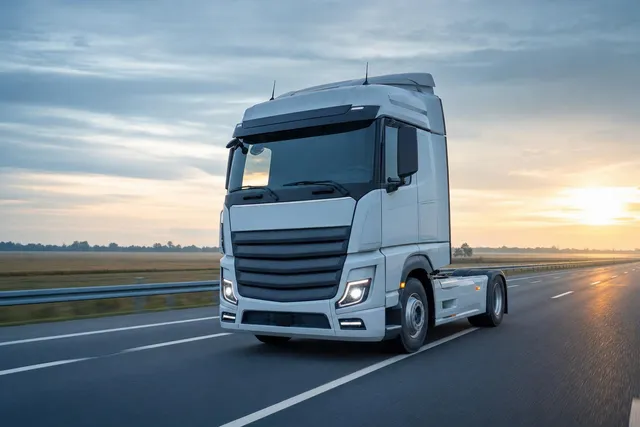 HGVs, buses and coachesRigid trucks, tractor units, articulated vehicles and passenger transport vehicles driven empty, with C, CE or D licences.
 Rental companiesRepositioning between branches, seasonal rotations, deliveries and collections at your customers' premises, workshop visits: every move is documented.
 Garage and roadworthiness test shuttlesA driver takes your vehicles for servicing or to the body shop, waits if needed, then brings them back to the agreed address.